

Geometric Precision
Every curve and angle is calculated to optimize light reflection and diffusion, creating ambient illumination that enhances rather than overwhelms a space.
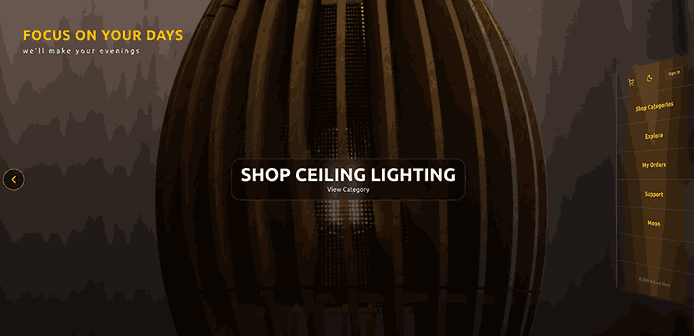
Explore the careful design and engineering philosophy behind Balora’s elegant lamp shade collection, where meticulous engineering meets refined aesthetics. Discover the optical design principles, thermal management strategies, and advanced additive manufacturing techniques that transform functional lighting into sophisticated design statements. #ProductDesign #IndustrialDesign #AdditiveManufacturing
In the world of lighting design, few things strike the delicate balance between form and function as elegantly as a well-crafted lamp shade. Balora lamp shades stand at this intersection, where meticulous engineering meets aesthetic sophistication. Each piece is more than just a functional object; it’s a carefully considered design statement that transforms how we experience light in our spaces.
“Good design is obvious. Great design is transparent.”
— Joe Sparano
The philosophy behind Balora’s lamp shade designs embodies this principle: creating products that enhance our daily experiences without demanding attention, yet leaving a lasting impression through their refined elegance.
Balora’s approach to lamp shade design embraces the principle that a product’s shape and appearance should be determined by what it needs to do—but with an important addition: beauty itself serves a purpose. A lamp shade must:
Geometric Precision
Every curve and angle is calculated to optimize light reflection and diffusion, creating ambient illumination that enhances rather than overwhelms a space.
Material Selection
From polymers to metals, each material is chosen for its optical properties, durability, and manufacturing compatibility, ensuring both beauty and longevity.
Manufacturing Excellence
Advanced additive manufacturing techniques enable complex geometries impossible with traditional methods, pushing the boundaries of what’s achievable.
The primary function of any lamp shade is to control light. Balora designs achieve this through:
Modern LED lighting generates less heat than traditional bulbs, but thermal considerations remain crucial:
Elegance doesn’t mean fragility. Each Balora lamp shade is engineered for:
Balora lamp shades are primarily crafted from wood, celebrating natural materials and traditional craftsmanship. Selected designs incorporate 3D printed components for complex geometric features or functional elements that complement the wooden construction. All designs are developed using professional CAD software including Autodesk Fusion 360 and Inventor, ensuring precision from concept to production.
Precision Engineering with Autodesk Tools
Balora designs are developed using industry-standard CAD platforms:
Natural Materials, Refined Execution
Wood remains the primary material for Balora lamp shades:
Combining Traditional and Modern
Selected designs integrate 3D printed components:
Experience Balora lamp shade designs in three dimensions:
TT3 Lamp Shade
Modern Minimalist Design
Explore the TT3 design featuring clean lines and optimized light distribution.
View 3D Model
Moon Lamp Shade
Organic Inspired Form
The Moon design draws inspiration from natural forms, creating gentle, diffused illumination.
View 3D Model
Concept Development
Every Balora lamp shade begins with sketches and mood boards, exploring how light, form, and space interact. Reference images, architectural principles, and user needs inform initial concepts.
Parametric Modeling
Concepts are translated into 3D CAD models using parametric design tools. This approach allows rapid iteration—adjusting proportions, wall thicknesses, and geometric features while maintaining design intent.
Optical Simulation
Light distribution is simulated using ray tracing software, ensuring the design achieves desired illumination patterns before physical prototyping.
Prototyping and Testing
Physical prototypes are 3D printed and tested with actual lighting fixtures. This reveals how theoretical designs perform in real-world conditions.
Refinement
Based on prototype testing, designs are refined by adjusting geometries, optimizing wall thicknesses, and perfecting surface finishes.
Production
Final designs move to production, with quality control ensuring each lamp shade meets Balora’s exacting standards.
Many Balora designs incorporate the golden ratio (φ ≈ 1.618), a mathematical proportion found throughout nature and classical architecture. This creates visually harmonious proportions that feel “right” even if the viewer can’t articulate why.
The choice between transparent, translucent, and opaque materials dramatically affects light quality:
| Material Property | Light Effect | Best Application |
|---|---|---|
| Transparent | Direct, focused light | Task lighting, accent features |
| Translucent | Soft, diffused glow | Ambient lighting, bedrooms |
| Opaque | Directional, no glare | Reading lamps, spotlights |
Balora designs often combine these properties in single pieces, using varying wall thicknesses or multi-material construction to create nuanced lighting effects.
By building lamp shade models parametrically, Balora can offer customization while maintaining design integrity:
Elegant design shouldn’t come at the cost of usability:
While appearing high-end, Balora lamp shades leverage efficient manufacturing processes to remain accessible. Additive manufacturing eliminates expensive tooling, making small-batch production economically viable and enabling continuous design improvement without capital investment.
Ready to experience Balora lamp shades for yourself?
Balora Official Website
Browse the Full Collection
Explore all available lamp shade designs, learn about customization options, and discover how Balora can transform your lighting.
Visit Balora.org
Interactive Showcase
Experience Designs in 3D
View Balora lamp shades from every angle with interactive 3D models.
Explore Gallery
Balora continues to explore cutting-edge technologies:
The intersection of traditional craftsmanship principles and modern manufacturing technology opens exciting possibilities:
Balora lamp shades demonstrate that thoughtful engineering and elegant design are not opposing forces, they’re complementary aspects of excellent product development. By carefully considering light distribution, material properties, manufacturing processes, and aesthetic principles, Balora creates lamp shades that enhance our environments while showcasing the potential of modern design and fabrication technologies. Each piece is a testament to the power of careful, considered design, where every curve serves a purpose and every detail contributes to a harmonious whole.
Interested in product design, manufacturing processes, or technology? Explore more articles on the SiliconWit platform covering engineering, design, and the intersection of technology and creativity.